Testosterone Support Supplement for Men Over 45: Complete Buyer’s Guide 2024
Table of Contents
1. Understanding Testosterone Decline After 45
2. Signs You Might Need Testosterone Support
3. Key Ingredients to Look For
4. Top Testosterone Support Supplements in 2024
5. How to Choose the Right Supplement
6. Safety Considerations and Side Effects
7. Lifestyle Factors That Impact Testosterone
8. When to Consult a Healthcare Provider
9. Frequently Asked Questions
Introduction
Hitting the big 4-5 can feel like crossing an invisible threshold. One day you’re crushing workouts and feeling invincible, and the next, you’re wondering why your energy levels have taken a nosedive and your motivation seems to have packed its bags. If this sounds familiar, you’re not alone – and you’re definitely not imagining things.
For men over 45, declining testosterone levels become a reality that affects everything from physical performance to mental clarity. The good news? You don’t have to accept this as an inevitable part of aging. Modern testosterone support supplements offer a natural way to help your body maintain optimal hormone levels, but navigating the crowded supplement market can feel overwhelming.

This comprehensive guide cuts through the marketing hype to give you the real scoop on testosterone support supplements in 2024. Whether you’re experiencing your first signs of low T or you’re ready to take proactive steps, we’ll help you make an informed decision that fits your lifestyle and goals.
Understanding Testosterone Decline After 45
Let’s start with the science behind what’s happening in your body. Testosterone production naturally begins to decline around age 30, dropping approximately 1-2% each year. By the time you reach 45, this gradual decrease becomes more noticeable, and many men start experiencing the effects of what’s medically known as andropause or “male menopause.”
Unlike the dramatic hormonal changes women experience during menopause, testosterone decline in men happens gradually. This slow burn can make it easy to dismiss early symptoms as stress, poor sleep, or just “getting older.” However, research shows that maintaining healthy testosterone levels plays a crucial role in overall health, affecting everything from bone density to cardiovascular health.
The modern lifestyle doesn’t help matters either. Chronic stress, poor sleep quality, sedentary jobs, and processed diets can accelerate testosterone decline. Add in environmental factors like endocrine disruptors found in plastics and chemicals, and it’s no wonder many men are seeking natural support earlier than previous generations.
Signs You Might Need Testosterone Support
Recognizing the signs of declining testosterone isn’t always straightforward, especially since symptoms often overlap with other health conditions or life stressors. However, there are several key indicators that suggest your testosterone levels might need attention.
Physical symptoms often appear first. You might notice decreased muscle mass despite maintaining your workout routine, or find that building new muscle becomes increasingly difficult. Many men also experience increased body fat, particularly around the midsection, along with reduced bone density and decreased physical strength.
Energy and mood changes are equally telling. Persistent fatigue that doesn’t improve with rest, decreased motivation, and mood swings can all signal hormonal imbalances. Some men describe feeling like they’ve lost their “edge” or competitive drive that once came naturally.
Sexual health changes are perhaps the most concerning for many men. Decreased libido, erectile dysfunction, and reduced sexual satisfaction are common symptoms of low testosterone. Sleep disturbances, including difficulty falling asleep or staying asleep, can both contribute to and result from hormonal imbalances.
Cognitive symptoms shouldn’t be overlooked either. Many men report difficulty concentrating, memory problems, and what’s often described as “brain fog” – a general feeling of mental cloudiness that affects daily performance.
Key Ingredients to Look For
Not all testosterone support supplements are created equal, and understanding the key ingredients can help you separate effective formulations from marketing fluff. The most research-backed ingredients have demonstrated real benefits in clinical studies, not just test tubes.
D-Aspartic Acid stands out as one of the most studied natural testosterone boosters. This amino acid regulator works by stimulating the release of luteinizing hormone, which signals your body to produce more testosterone. Clinical studies have shown significant increases in testosterone levels, particularly in men with initially low levels.
Vitamin D3 deserves special attention, especially since deficiency is incredibly common among men over 45. Often called the “sunshine vitamin,” D3 functions more like a hormone in your body and plays a crucial role in testosterone production. Many men see improvements simply by correcting vitamin D deficiency.
Zinc is another critical nutrient that directly impacts testosterone synthesis. This essential mineral supports the enzymes responsible for converting cholesterol into testosterone. Zinc deficiency, which becomes more common with age, can significantly impact hormone production.
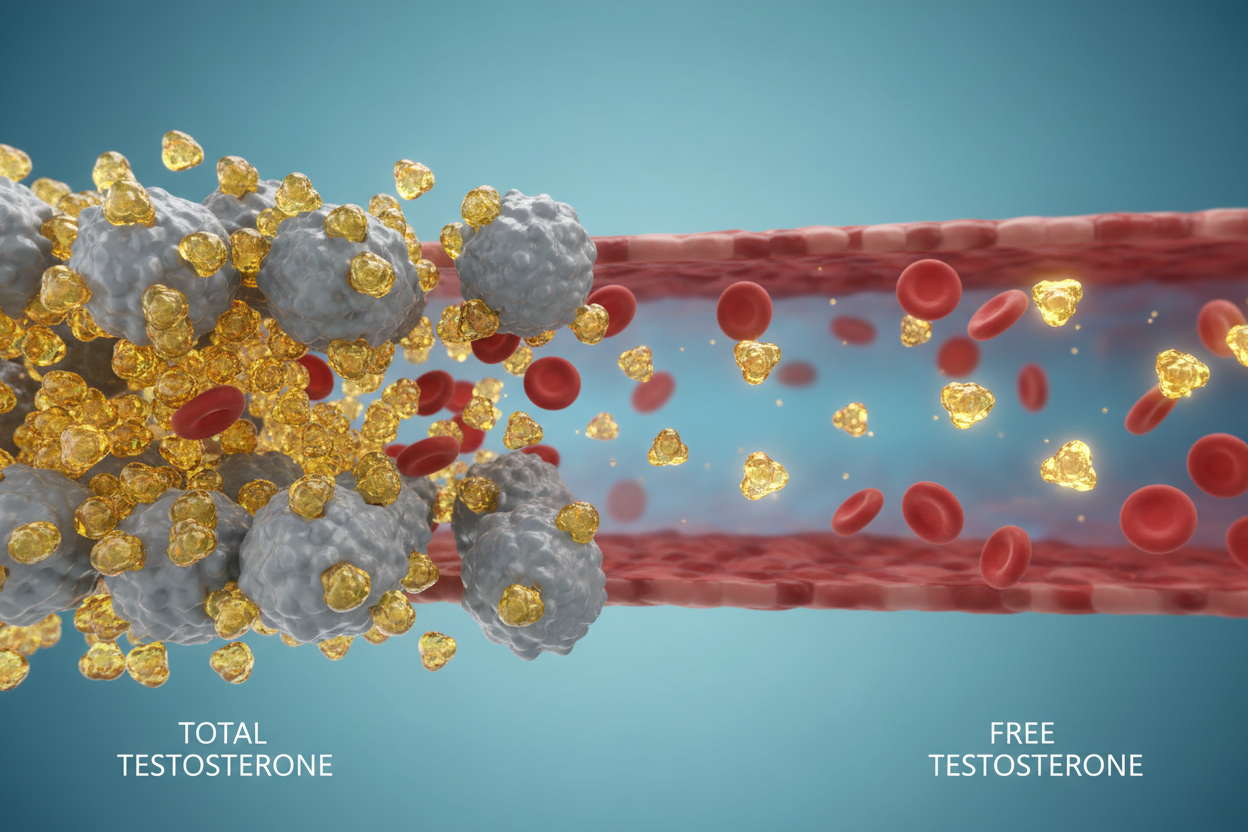
Fenugreek extract has gained attention for its ability to support free testosterone levels – the active form your body can actually use. Unlike total testosterone, free testosterone isn’t bound to proteins and can directly benefit muscle growth, energy, and libido.
Ashwagandha, an adaptogenic herb, addresses one of the biggest testosterone killers: chronic stress. By helping regulate cortisol levels, ashwagandha creates a more favorable hormonal environment for testosterone production while also supporting overall well-being.
Top Testosterone Support Supplements in 2024
The supplement market has evolved significantly, with several standout products emerging as leaders in 2024. These top-tier supplements distinguish themselves through quality ingredients, transparent labeling, and real-world results from users.
Premium formulations typically combine multiple proven ingredients in clinically effective doses. Look for products that include the ingredients mentioned above in amounts that match successful research studies. Many inferior products contain “pixie dust” amounts of active ingredients that look good on labels but won’t deliver meaningful results.
Third-party testing has become a crucial differentiator. The best supplements undergo independent laboratory testing to verify ingredient purity and potency. This testing also screens for harmful contaminants like heavy metals and ensures what’s on the label matches what’s in the bottle.
Manufacturing standards matter more than many realize. Supplements produced in FDA-registered facilities following Good Manufacturing Practices (GMP) offer better quality assurance. These facilities maintain strict quality control throughout the production process, from raw material sourcing to final packaging.
Customer feedback and clinical backing provide real-world validation. The most effective supplements have both positive user reviews and published research supporting their formulations. Be wary of products with only testimonials or those making unrealistic promises.
How to Choose the Right Supplement
Selecting the right testosterone support supplement requires considering your individual needs, health status, and goals. There’s no one-size-fits-all solution, and what works for your workout buddy might not be ideal for you.
Start by assessing your primary concerns. Are you mainly dealing with energy and motivation issues, or are physical symptoms like muscle loss and weight gain your main focus? Different formulations target different aspects of testosterone support, so identifying your priorities helps narrow your options.
Consider your current health status and any medications you’re taking. Some supplement ingredients can interact with prescription medications, particularly blood thinners and diabetes medications. If you have existing health conditions, especially heart disease, diabetes, or prostate issues, professional guidance becomes even more important.
Budget considerations extend beyond just the purchase price. Higher-quality supplements often cost more upfront but may provide better value through more effective ingredients and better absorption. Calculate the cost per serving and compare similar products to find the best value for your investment.
Dosage convenience plays a practical role in long-term success. Some supplements require multiple daily doses, while others offer once-daily convenience. Consider your lifestyle and choose a dosing schedule you can realistically maintain for several months.
Company reputation and transparency should influence your decision. Established companies with clear contact information, responsive customer service, and transparent business practices typically offer more reliable products. Avoid companies that make exaggerated claims or pressure you with limited-time offers.
Safety Considerations and Side Effects
While natural testosterone support supplements are generally safer than synthetic hormones, they’re not without potential risks and side effects. Understanding these considerations helps you make informed decisions and use supplements responsibly.
Common side effects are typically mild and often resolve as your body adjusts. These might include digestive upset, particularly when starting a new supplement, mild headaches, or temporary sleep changes. Taking supplements with food often minimizes digestive issues.
More serious considerations involve potential interactions with medications and underlying health conditions. Men taking blood thinners should be particularly cautious with supplements containing vitamin K or herbs that might affect clotting. Those with diabetes should monitor blood sugar more closely when starting new supplements.
Prostate health deserves special attention for men over 45. While healthy testosterone levels actually support prostate health, men with existing prostate conditions should consult healthcare providers before starting any hormone-related supplements. Regular prostate screenings become even more important when using testosterone support.
Quality control issues represent hidden risks in the supplement industry. Contaminated or mislabeled products can cause unexpected side effects or health problems. Sticking with reputable brands that invest in quality testing significantly reduces these risks.
Overuse and unrealistic expectations can lead to disappointment or potentially harmful practices. Testosterone support supplements work best as part of a comprehensive approach to health, not as magic pills that compensate for poor lifestyle choices.
Lifestyle Factors That Impact Testosterone
Even the best testosterone support supplement can’t overcome the effects of lifestyle factors that actively suppress hormone production. Understanding and addressing these factors maximizes your supplement investment and overall results.
Sleep quality might be the most underestimated factor in testosterone production. Most testosterone is produced during deep sleep phases, and chronic sleep deprivation can dramatically reduce hormone levels. Aim for 7-9 hours of quality sleep nightly, and consider addressing sleep disorders that might be undermining your efforts.
Stress management directly impacts testosterone through cortisol, your primary stress hormone. Chronic stress keeps cortisol elevated, which suppresses testosterone production. Effective stress management techniques like meditation, regular exercise, or hobbies can significantly support hormonal balance.
Exercise plays a complex role in testosterone support. Resistance training and high-intensity interval training can boost testosterone levels, while excessive endurance exercise might suppress them. Finding the right balance for your fitness level and goals supports both immediate and long-term hormonal health.
Nutrition provides the building blocks for hormone production. Adequate protein intake supports muscle maintenance and hormone synthesis, while healthy fats provide cholesterol needed for testosterone production. Excessive alcohol consumption and processed foods can interfere with hormone balance.
Environmental toxin exposure has become an increasingly recognized factor in hormone disruption. Limiting exposure to plastics, choosing organic foods when possible, and using natural cleaning and personal care products can reduce your toxic load and support healthier hormone function.
When to Consult a Healthcare Provider
While testosterone support supplements offer a natural approach to hormone optimization, certain situations require professional medical evaluation and guidance. Knowing when to seek help ensures you address underlying issues appropriately and safely.
Severe symptoms warrant immediate medical attention. If you’re experiencing significant depression, complete loss of libido, severe fatigue that interferes with daily activities, or rapid physical changes, these could indicate more serious hormonal imbalances requiring medical intervention.
Existing health conditions require professional oversight when considering hormone support. Men with heart disease, diabetes, sleep apnea, or prostate conditions need medical supervision to ensure supplements don’t interfere with treatments or worsen existing conditions.
Lack of improvement after several months of consistent supplement use and lifestyle changes suggests the need for more comprehensive evaluation. Blood testing can reveal specific hormone levels and identify other potential causes of your symptoms.
Age-related health screening becomes more important as testosterone concerns arise. Regular check-ups should include prostate exams, cardiovascular assessments, and bone density testing to monitor overall health as you address hormonal changes.
Medication interactions require professional review. If you’re taking prescription medications, especially for heart conditions, diabetes, or blood clotting disorders, medical guidance helps prevent potentially dangerous interactions with supplement ingredients.
Conclusion
Navigating testosterone decline after 45 doesn’t have to feel like an uphill battle you’re destined to lose. The right testosterone support supplement, combined with smart lifestyle choices, can help you maintain energy, strength, and vitality well into your later years.
Remember that the best supplement is one that fits your specific needs, health status, and lifestyle. Take time to research ingredients, choose reputable brands, and consider professional guidance when needed. Quality supplements aren’t magic solutions, but they can be powerful tools in your overall health strategy.
The investment in your hormonal health pays dividends far beyond just feeling better today. Maintaining healthy testosterone levels supports long-term bone health, cardiovascular function, cognitive performance, and overall quality of life. Starting this journey now sets you up for healthier aging and continued vitality.
Most importantly, listen to your body and be patient with the process. Hormonal optimization takes time, and the best results come from consistent, sustainable approaches rather than quick fixes. With the right knowledge and tools, you can take control of your hormonal health and continue thriving in your 45s, 50s, and beyond.
Frequently Asked Questions
How long does it take to see results from testosterone support supplements?
Most men begin noticing improvements in energy and mood within 2-4 weeks of consistent use. Physical changes like increased muscle mass and strength typically become apparent after 6-12 weeks. However, individual responses vary based on baseline hormone levels, overall health, and lifestyle factors.
Can testosterone support supplements replace prescription hormone therapy?
Natural supplements and prescription hormone therapy serve different purposes and shouldn’t be considered interchangeable. Supplements support your body’s natural testosterone production, while hormone replacement therapy provides external hormones. Men with clinically low testosterone levels may need medical treatment that supplements alone cannot provide.
Are there any foods that naturally boost testosterone?
Yes, several foods support healthy testosterone levels. Eggs, lean meats, fatty fish, nuts, seeds, and leafy greens provide nutrients essential for hormone production. Oysters are particularly rich in zinc, while fatty fish provides vitamin D and healthy omega-3 fats that support hormonal balance.
Do testosterone support supplements affect prostate health?
Quality testosterone support supplements using natural ingredients are generally considered safe for prostate health when used as directed. However, men with existing prostate conditions or family history of prostate problems should consult healthcare providers before starting any hormone-related supplements.
Can women use testosterone support supplements designed for men?
Women should not use testosterone support supplements formulated for men, as women require much lower testosterone levels and different hormonal balance. Women experiencing hormonal concerns should consult healthcare providers about appropriate options designed specifically for female hormonal needs.
What’s the difference between total testosterone and free testosterone?
Total testosterone measures all testosterone in your blood, including hormones bound to proteins that your body can’t use immediately. Free testosterone represents the active hormone available for your body to use right away. Free testosterone levels often provide a better picture of actual hormonal function and symptoms.
100% Satisfaction, 60-Day Guarantee
Check Today’s Deal Now!
100% Satisfaction, 60-Day Guarantee!
See Today’s Deal!