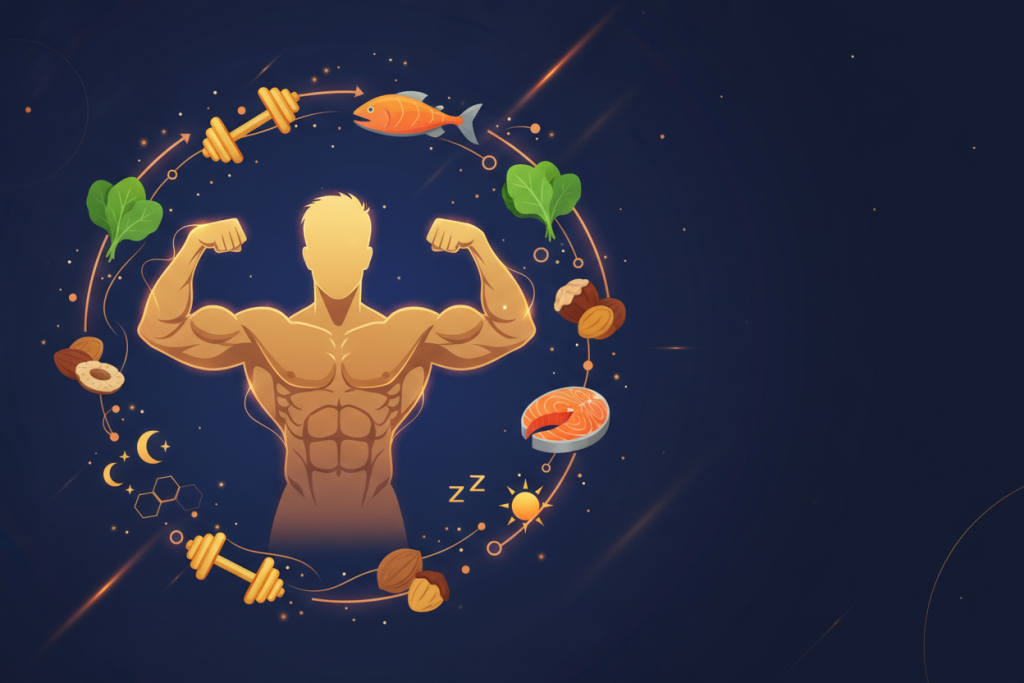
Natural Testosterone Support: 15 Science-Backed Methods That Actually Work
Table of Contents
1. Introduction to Natural Testosterone Support
2. Understanding Testosterone and Its Importance
3. 15 Science-Backed Methods for Natural Testosterone Support
4. Lifestyle Factors That Make a Difference
5. When to Seek Professional Help
6. Conclusion
7. Frequently Asked Questions
Introduction to Natural Testosterone Support
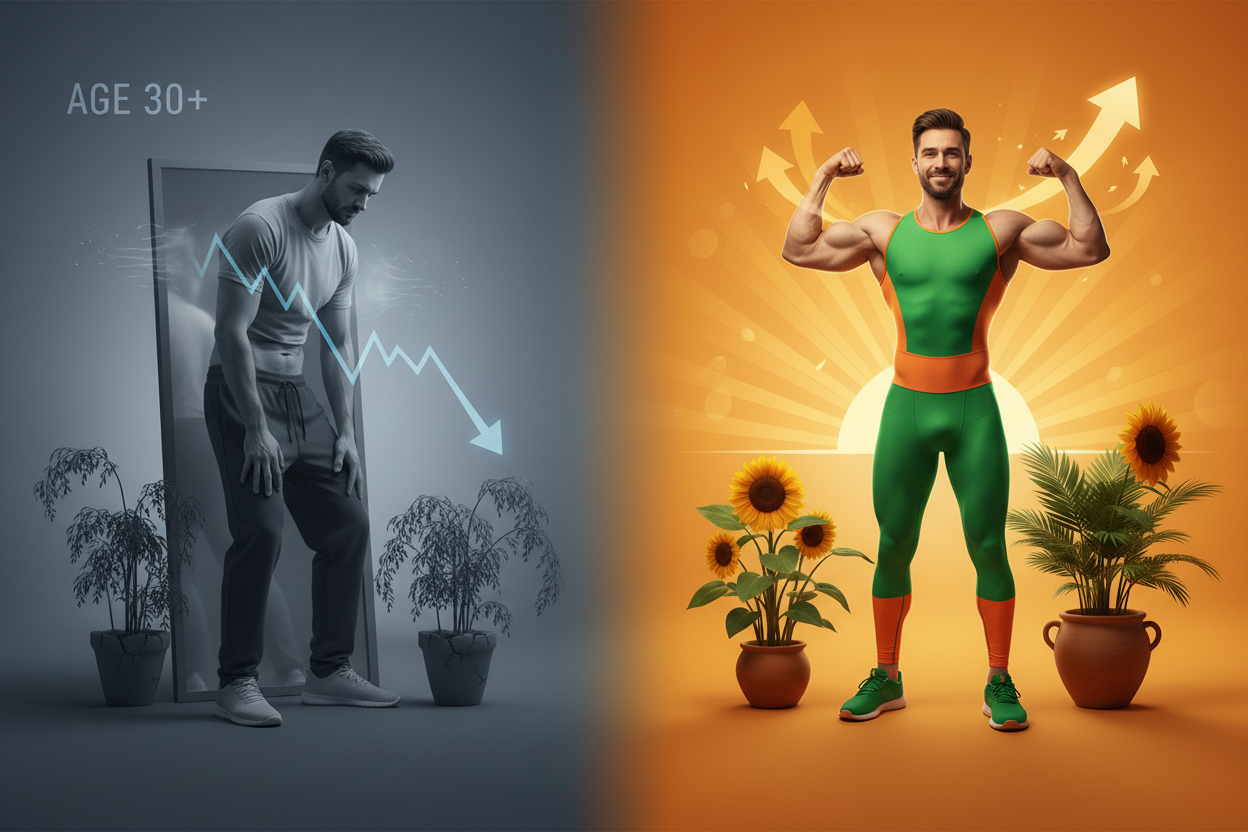
If you’ve been feeling less energetic lately, struggling with motivation, or noticing changes in your body composition, you might be dealing with declining testosterone levels. It’s more common than you think – testosterone naturally decreases by about 1% per year after age 30. But here’s the good news: you don’t have to accept this decline as inevitable.

While testosterone replacement therapy gets a lot of attention, there are numerous natural, science-backed methods that can help support healthy testosterone levels. I’ve spent considerable time researching these approaches, and what I’ve found is both encouraging and practical. These methods aren’t just theoretical – they’re backed by solid research and can be implemented by anyone willing to make some strategic lifestyle changes.
In this comprehensive guide, we’ll explore 15 proven strategies that can help optimize your body’s natural testosterone production. From simple dietary adjustments to specific exercise protocols, these methods offer a holistic approach to hormonal health that goes beyond quick fixes.
Understanding Testosterone and Its Importance
Before diving into the methods, it’s crucial to understand what testosterone does for your body. This hormone isn’t just about muscle mass and libido – though those are certainly important functions. Testosterone plays a vital role in bone density, mood regulation, cognitive function, fat distribution, and overall energy levels.
Normal testosterone levels typically range from 300 to 1,000 ng/dL (nanograms per deciliter) for adult men, with optimal levels generally considered to be in the upper portion of this range. However, these numbers can vary based on age, time of day, and individual factors.
The beauty of natural testosterone support lies in its holistic benefits. When you optimize your lifestyle for better hormonal health, you’re not just targeting one hormone – you’re improving your overall well-being in ways that synthetic interventions simply can’t match.
15 Science-Backed Methods for Natural Testosterone Support
1. Prioritize Quality Sleep
Sleep isn’t just rest time – it’s when your body produces the majority of its testosterone. Research published in the Journal of the American Medical Association found that men who slept less than 5 hours per night had significantly lower testosterone levels than those who got 7-8 hours.
The relationship is so strong that even one week of sleep restriction can decrease testosterone levels by 10-15%. Aim for 7-9 hours of quality sleep nightly, maintain a consistent sleep schedule, and create a dark, cool sleeping environment to optimize your body’s natural hormone production.
2. Implement Strategic Strength Training
Not all exercise is created equal when it comes to testosterone support. While cardio has its place, resistance training – particularly compound movements like squats, deadlifts, and bench presses – provides the most significant testosterone boost.
Studies show that high-intensity resistance training with moderate volume produces the best results. Focus on lifting heavy weights (75-85% of your one-rep max) for 3-6 reps, with adequate rest between sets. This type of training signals your body to increase testosterone production to support muscle growth and recovery.
3. Optimize Your Zinc Intake
Zinc deficiency is surprisingly common and directly linked to low testosterone levels. This essential mineral plays a crucial role in testosterone synthesis, and research indicates that zinc supplementation can significantly increase testosterone levels in deficient individuals.
The recommended daily intake is 11mg for men, but those engaged in intense training may need more due to increased losses through sweat. Good food sources include oysters, beef, pumpkin seeds, and chickpeas. If supplementing, choose zinc picolinate or zinc glycinate for better absorption.
4. Maintain Healthy Vitamin D Levels
Vitamin D isn’t just important for bone health – it’s actually a hormone precursor that influences testosterone production. Men with adequate vitamin D levels typically have higher testosterone than those who are deficient.
Aim for blood levels between 30-50 ng/mL. While sunlight exposure is ideal, many people need supplementation, especially during winter months. A daily dose of 2,000-4,000 IU is often necessary to maintain optimal levels, but it’s best to test your blood levels first.
5. Manage Stress Effectively
Chronic stress is testosterone’s worst enemy. When you’re constantly stressed, your body produces cortisol, which directly suppresses testosterone production. It’s a biological trade-off – your body prioritizes immediate survival over long-term reproductive health.
Incorporate stress management techniques like meditation, deep breathing exercises, or regular nature walks. Even 10-15 minutes of daily stress reduction can make a meaningful difference in your hormonal balance.
6. Include Healthy Fats in Your Diet
Your body needs cholesterol and healthy fats to produce testosterone. Research shows that diets too low in fat (less than 20% of total calories) can significantly reduce testosterone levels.
Focus on monounsaturated fats from sources like olive oil, avocados, and nuts, along with omega-3 fatty acids from fatty fish, walnuts, and flaxseeds. Saturated fats from quality sources like grass-fed beef and eggs also play a role in hormone production, so don’t eliminate them entirely.
7. Limit Alcohol Consumption
While an occasional drink won’t derail your testosterone levels, regular heavy drinking can significantly impact hormone production. Alcohol interferes with the enzymes needed for testosterone synthesis and can increase estrogen levels.
If you choose to drink, limit intake to no more than 2-3 drinks per week, and avoid binge drinking entirely. Your hormones – and your overall health – will thank you for this moderation.
8. Maintain a Healthy Body Weight
Excess body fat, particularly around the midsection, converts testosterone to estrogen through an enzyme called aromatase. This creates a vicious cycle where low testosterone makes it harder to lose weight, and excess weight further suppresses testosterone.
Focus on achieving and maintaining a body fat percentage between 10-15% for optimal hormonal health. This doesn’t mean you need to be shredded, but keeping excess fat in check is crucial for natural testosterone optimization.
9. Try Intermittent Fasting
Short-term fasting can actually boost testosterone levels by improving insulin sensitivity and promoting the release of luteinizing hormone, which signals testosterone production. Studies show that intermittent fasting can increase testosterone by 180% or more.
Start with a simple 16:8 protocol – eating within an 8-hour window and fasting for 16 hours. However, avoid prolonged fasting, as this can have the opposite effect and actually suppress testosterone production.
10. Consider Natural Supplements
Several natural compounds have shown promise in supporting healthy testosterone levels. D-Aspartic Acid, for example, can increase testosterone by 30-60% in some men, particularly those with lower baseline levels.
Other well-researched options include Ashwagandha, which can reduce cortisol and increase testosterone by up to 17%, and Tongkat Ali, which has shown consistent benefits in multiple studies. Always research quality brands and consult with a healthcare provider before starting any supplement regimen.
11. Minimize Exposure to Endocrine Disruptors
Modern life exposes us to numerous chemicals that can interfere with hormone production. BPA from plastic containers, phthalates from personal care products, and pesticides from conventionally grown produce can all negatively impact testosterone levels.
Simple swaps like using glass containers instead of plastic, choosing organic produce when possible, and selecting natural personal care products can reduce your toxic load and support better hormonal health.
12. Eat Cruciferous Vegetables
Vegetables like broccoli, cauliflower, and Brussels sprouts contain compounds called indoles that help your body process and eliminate excess estrogen. This is particularly important as we age and estrogen levels tend to increase relative to testosterone.
Aim for at least one serving of cruciferous vegetables daily. If you’re not a fan of these vegetables, you can find concentrated indole supplements, though whole foods are always preferable.
13. Get Regular Sunlight Exposure
Beyond vitamin D production, sunlight exposure has direct effects on testosterone levels. Studies show that men who get regular sun exposure have higher testosterone levels than those who don’t.
Aim for 15-30 minutes of direct sunlight daily, preferably in the morning. This also helps regulate your circadian rhythm, which indirectly supports healthy hormone production.
14. Practice Cold Exposure
Cold showers, ice baths, or other forms of cold exposure can stimulate testosterone production through several mechanisms. Cold exposure increases norepinephrine and can improve insulin sensitivity, both of which support healthy testosterone levels.
Start with 30-60 seconds of cold water at the end of your regular shower and gradually increase the duration. The key is consistency rather than extreme temperatures.
15. Optimize Your Magnesium Intake
Magnesium is involved in over 300 enzymatic reactions in your body, including those related to testosterone production. Research shows that magnesium supplementation can increase both free and total testosterone levels.
Most men don’t get enough magnesium from their diet alone. Good sources include dark leafy greens, nuts, seeds, and dark chocolate. If supplementing, magnesium glycinate is well-absorbed and less likely to cause digestive issues.
Lifestyle Factors That Make a Difference
While the 15 methods above are powerful on their own, the real magic happens when you combine multiple approaches. Think of testosterone optimization as a lifestyle rather than a quick fix. The men who see the most dramatic and lasting results are those who make sustainable changes across multiple areas of their lives.
Consistency is key. You don’t need to implement all 15 strategies at once – in fact, that’s often counterproductive. Start with 2-3 methods that seem most feasible for your current lifestyle, master those, then gradually add others.
It’s also important to be patient. Natural testosterone optimization typically takes 2-3 months to show significant results, as your body needs time to adapt and respond to these lifestyle changes. Unlike synthetic interventions that work immediately, natural methods require persistence but offer more sustainable, long-term benefits.
When to Seek Professional Help
While natural methods can be incredibly effective, there are times when professional medical evaluation is necessary. If you’re experiencing severe symptoms like extreme fatigue, depression, complete loss of libido, or significant muscle loss despite implementing these strategies, it’s worth getting your hormone levels tested.
A comprehensive hormone panel should include total testosterone, free testosterone, estradiol, SHBG (sex hormone-binding globulin), and LH (luteinizing hormone). This gives a complete picture of your hormonal status and can help identify any underlying issues that might need medical attention.
Remember, natural testosterone support and medical treatment aren’t mutually exclusive. Even if you do need medical intervention, these lifestyle factors will enhance the effectiveness of any treatment and support your overall health.
Conclusion
Natural testosterone support isn’t about finding a magic bullet – it’s about creating an environment where your body can function optimally. The 15 science-backed methods we’ve explored work synergistically to support not just testosterone production, but overall hormonal health and well-being.
The beauty of this approach is that every single strategy offers benefits beyond just testosterone optimization. Better sleep improves cognitive function and immune health. Strength training builds muscle and bone density. Stress management enhances mental health and relationships. You’re not just optimizing one hormone – you’re upgrading your entire quality of life.
Start where you are, use what you have, and do what you can. Whether you implement one method or all fifteen, you’re taking a positive step toward better health and vitality. Your future self will thank you for the investment you make in your hormonal health today.
Frequently Asked Questions
Q: How long does it take to see results from natural testosterone support methods?
A: Most men begin noticing improvements in energy and mood within 2-4 weeks, but significant changes in testosterone levels typically take 8-12 weeks of consistent implementation. Blood work should be done after 3 months to assess progress.
Q: Can these methods work for men over 50?
A: Absolutely. While testosterone naturally declines with age, these lifestyle interventions can be effective at any age. Older men may see even more dramatic improvements since they often have more room for optimization in areas like sleep, stress management, and nutrition.
Q: Are natural methods as effective as testosterone replacement therapy?
A: Natural methods typically produce more modest increases in testosterone compared to TRT, but they offer advantages like improved overall health, no side effects, and sustainable results. Many men find natural optimization sufficient for their needs.
Q: How much can natural methods realistically increase testosterone levels?
A: Individual results vary widely, but men following comprehensive natural protocols often see increases of 200-400 ng/dL. The improvement in symptoms and quality of life is often more significant than the numbers might suggest.
Q: Is it safe to combine multiple natural testosterone support methods?
A: Yes, these methods are generally safe to combine since they’re all based on healthy lifestyle practices. However, if you’re considering multiple supplements, it’s wise to consult with a healthcare provider, especially if you have existing health conditions.
Q: What’s the most important single factor for natural testosterone support?
A: If I had to choose one factor, it would be quality sleep. Sleep is when your body produces the majority of its testosterone, and sleep deprivation can quickly undo the benefits of other optimization strategies. Everything else builds from there.
100% Satisfaction, 60-Day Guarantee
Check Today’s Deal Now!
100% Satisfaction, 60-Day Guarantee!
See Today’s Deal!